

 Prev
Prev
Click HERE To Buy Clomid Online ↓
 Clomid Vs Letrozole: Which Works Better?
How Clomid and Letrozole Stimulate Ovulation Differently
I watched a hopeful couple ask how each drug jumpstarts the cycle. Clomid blocks estrogen receptors in the brain, reducing feedback and raising FSH and LH to stimulate follicles and ovulation.
Letrozole works differently: it inhibits aromatase, lowering estrogen production throughout the body. That drop raises FSH but may thin the endometrium compared with Clomid.
Clinicians note Letrozole’s shorter half-life and localized ovarian estrogen suppression may produce more mature follicles in some patients, while Clomid’s central receptor blockade can provoke multiple follicles and thicker cervical mucus.
Understanding these contrasts helps tailor choices: Letrozole often suits women with PCOS or prior Clomid failure, while Clomid remains useful for others seeking an established, inexpensive option for fertility.
| Drug | Primary Mechanism |
|---|---|
| Clomid | Estrogen receptor antagonist in hypothalamus; increases FSH/LH |
| Letrozole | Aromatase inhibitor; lowers estrogen production, raises FSH |
Comparing Pregnancy Success Rates Across Patient Groups
Patients narrate hopeful cycles, and studies show differing results depending on diagnosis; women with unexplained infertility or mild ovulatory dysfunction may respond similarly to clomid or letrozole, though age and BMI shift those outcomes notably.
Randomized trials suggest letrozole improves live birth rates in PCOS compared with clomid, especially for first-line therapy; yet patients with unexplained infertility may still achieve comparable conception rates under tailored protocols and monitoring in practice.
Age-stratified analyses reveal declining success after mid-thirties regardless of agent, but ovarian reserve markers like AMH and antral follicle count better predict response, guiding whether clomid or aromatase inhibition will likely produce follicles for retrieval.
Real-world registries and meta-analyses also highlight that lifestyle factors, prior treatments, and adherence alter outcomes; shared decision-making lets clinicians weigh modest differences in success against side effects, optimizing individualized pathways to pregnancy while managing expectations.
Side Effects, Risks, and Safety Profiles Compared
Couples often describe the choice between medications as a trade-off between effectiveness and tolerability. Clomid can cause hot flashes, mood swings, bloating and occasional visual disturbances; its anti-estrogenic effect may thin the uterine lining. Letrozole commonly produces fatigue, joint aches and mild hot flashes but tends to preserve endometrial thickness better. Both carry a small increased risk of multiple pregnancy and require monitoring to watch follicle growth and hormone levels.
Serious complications are rare but include ovarian hyperstimulation syndrome and rarely ovarian torsion; careful dosing and ultrasound reduce those risks. There is no consistent evidence that clomid or letrozole increases birth defects when stopped before conception, though letrozole use during pregnancy is avoided. Patients with liver disease or undiagnosed vaginal bleeding need evaluation before starting treatment. Shared decision-making, weighing side effects, reproductive history and fertility goals, optimizes safety and satisfaction.
Dosing Strategies, Timing, and Monitoring for Best Outcomes
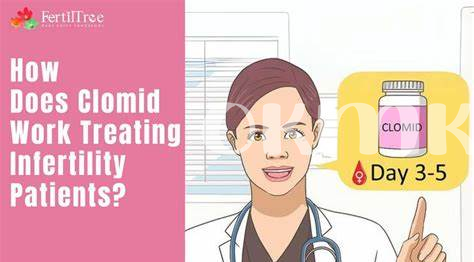
She remembers the first clinic visit when the doctor explained how clomid is usually started early in the cycle, a small tablet that can change the rhythm of hormones and sometimes spark that long-awaited follicle growth for many.
Timing matters: starting medication on day three to five, tracking ovulation with ultrasound or LH tests, and adjusting dose in subsequent cycles are practical steps most teams follow to maximize chances while minimizing overstimulation and preserving future fertility.
Monitoring balances safety and effectiveness; regular bloodwork checks estrogen levels, clinicians look for side effects, and patients are encouraged to report symptoms promptly — a collaborative approach that tailors therapy, often escalating dose cautiously when earlier cycles were unsuccessful.
Which Patients Benefit Most from Each Medication
In clinic stories I often hear, choice of medication follows the root cause. For women with polycystic ovary syndrome (PCOS) or anovulatory cycles, current practice increasingly favors letrozole because it often produces more regular ovulation and higher live-birth rates; clomid remains useful for those with unexplained infertility or normal cycles who respond well to its estrogen-modulating action.
Women with diminished ovarian reserve or older age may benefit from individualized approaches where letrozole’s lower estrogen environment can be advantageous, but responses vary and combined protocols with gonadotropins are sometimes needed. Men with hormonal issues may require different strategies entirely.
Talk with a specialist; switch therapies or pursue IVF if needed.
| Group | Favored |
|---|---|
| PCOS | Letrozole |
| Unexplained | Clomid |
Cost, Accessibility, and Practical Considerations for Couples
Couples often weigh price alongside effectiveness; generic clomiphene tends to be inexpensive and widely covered, while letrozole may carry higher out of pocket fees depending on brand and insurer. Pharmacy availability varies by region, and prior authorizations can delay starts.
Practical logistics, clinic visits for monitoring, ultrasound scheduling, and lab work can influence choice. Letrozole's shorter course may reduce appointment burden, but some patients need closer follicular tracking; travel, time off work, and childcare add hidden costs.
Discuss financial assistance, generic options, and local lab access with a clinician. Couples benefit from a plan that balances affordability, convenience, and medical suitability. Ask about copay programs, telemedicine follow ups, and nearby fertility resources to save time.