

 Prev
Prev
Click HERE To Buy Clomiphene Online ↓
 Clomiphene Vs Letrozole: Choosing the Right Fertility Drug
How Clomiphene and Letrozole Actually Work
At the clinic, a woman imagines the ovary as a garden and the doctor shows two paths to coax a bud open: one pill blocks estrogen’s signal at the brain, prompting a stronger follicle-stimulating response; the other limits estrogen production so the body compensates by increasing stimulating hormones. Both strategies aim to produce a mature follicle, but their biological detours affect the rhythm of ovulation and the patient’s experience.
Clinically, the first (a selective estrogen receptor modulator) binds estrogen receptors in the hypothalamus to mimic low estrogen, while the second (an aromatase inhibitor) blocks the enzyme that makes estrogen, lowering circulating levels. Resulting hormonal cascades raise FSH and LH, increasing follicle growth; subtle differences influence lining thickness, cycle length, and likelihood of multiple follicles. These biological nuances guide clinicians when tailoring treatment to history, age, and response and individualized risk.
| Drug | Primary action |
|---|---|
| Clomiphene | Estrogen receptor modulator (hypothalamic antagonism) |
| Letrozole | Aromatase inhibitor (reduces estrogen synthesis) |
Which Drug Offers Higher Pregnancy Success Rates
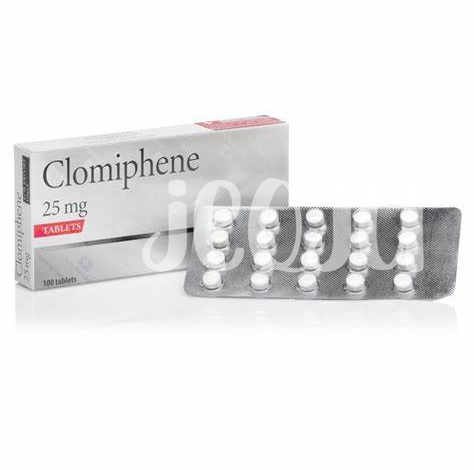
In fertility clinics couples frequently ask whether one drug reliably outperforms the other. Clomiphene has been a long-standing first-line ovulation inducer, but randomized trials—particularly in people with polycystic ovary syndrome—show letrozole yields higher pregnancy and live-birth rates. Evidence favors letrozole.
clomiphene effectively triggers ovulation, yet its antiestrogenic effects can thin the endometrium and impair cervical mucus, potentially reducing implantation. Letrozole tends to preserve endometrial thickness and produces comparable or better ovulation quality, translating into improved clinical outcomes in several studies.
Still, response varies with age, diagnosis, prior treatment, and dosing. Choosing the drug should be individualized: when evidence points one way, discuss risks, costs, and personal priorities with your clinician to maximize chances of success.
Side Effects, Safety Concerns, and Patient Experience
A hopeful couple described the first cycle as a mix of anxious anticipation and relief, noticing quick mood swings and mild hot flashes, and hopeful wonder lingered.
Common reactions include bloating, visual disturbances, and ovarian tenderness; clomiphene can also thin cervical mucus, affecting intercourse timing that sometimes frustrates couples.
Clinicians monitor ovarian response with ultrasounds and estradiol tests to reduce multiple pregnancy and OHSS risks, adjusting doses as needed in complex cases.
Open communication, realistic expectations, and symptom management—hydration, rest, and tracking—help patients stay empowered through treatment and build resilience.
Who Benefits Most: Tailoring to Patient Profiles
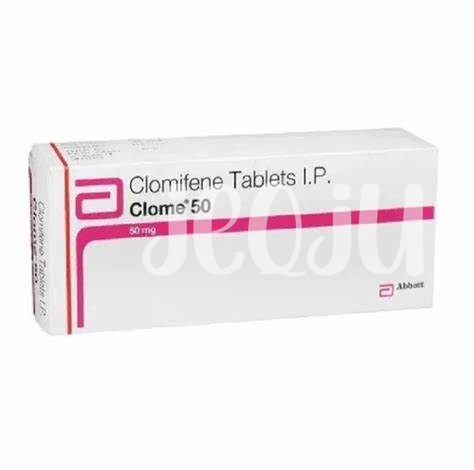
Imagine sitting across from a patient whose cycles feel like a mystery; the choice of medication becomes a compass. For classic anovulatory patients—particularly those with PCOS—letrozole often yields better ovulation and live birth rates, but clomiphene remains useful for women who responded in prior cycles or prefer a longer safety record. Age, BMI, and ovarian reserve reshape that guidance.
Women with unexplained infertility or thin endometrium may need different strategies, and those with low ovarian reserve are less likely to benefit from ovulation induction alone. Prior response, tolerance of side effects and desire for minimal monitoring steer decisions. Shared decision-making, informed by ultrasound, hormones, and patient goals, converts evidence into a plan fitting the individual.
Practical Differences in Dosing Monitoring and Costs
Clinicians often choose dosing based on response: clomiphene typically starts at 50 mg daily for five days early in the cycle, escalating generally if ovulation doesn’t occur, while aromatase inhibitors usually use a low daily dose for comparable windows. This simpler pill rhythm makes outpatient use straightforward and predictable.
Monitoring relies on ultrasound and midcycle hormone checks to guide dose changes. Cost matters: generic clomiphene is inexpensive and often covered, lowering barriers, while newer agents or frequent scans increase expenses and scheduling complexity for patients weighing convenience and insurance limits.
| Drug | Typical start dose | Monitoring | Relative cost |
|---|---|---|---|
| Clomiphene | 50 mg/day ×5 | Ultrasound, LH | Low |
| Letrozole | 2.5 mg/day ×5 | Ultrasound, hormones | Moderate |
When to Switch or Combine Treatments Strategically
In the consultation room a couple listens as the clinician describes options. When the first protocol produces no pregnancy after several cycles, a deliberate change is often discussed. They weigh prior side effects and timing with frank realism.
Clinicians commonly recommend switching drugs after three unsuccessful attempts or sooner if adverse effects occur, because different mechanisms can trigger ovulation in resistant patients.
Combining treatments, adding timed intrauterine insemination or low dose gonadotropins, can boost success but raises monitoring demands, multiple pregnancy risk and expense.
Decisions should follow shared decision making using age, ovarian reserve, prior responses and tolerance; careful timing optimizes effectiveness while limiting risks. Regular ultrasound and hormone checks guide adjustments for best outcomes.