

 Prev
Prev
Click HERE To Buy Lisinopril Online ↓
 Lisinopril Dosing Guide: Starting, Titration, and Adjustments
Choosing the Right Starting Dose for Ace Inhibitors
Begin gently: assess age, blood pressure severity, comorbidities, and concomitant medications. Picture a cautious initial dose that balances efficacy with safety, especially for frail or volume-depleted patients who are older.
Consider baseline renal function and potassium, prior renin-angiotensin blocker exposure, and concurrent diuretics. Start lower if creatinine clearance is reduced, and monitor after the first dose for hypotension and dizziness.
Discuss goals, explain expected benefits and possible cough or angioedema, and plan titration intervals. Provide clear instructions about salt, OTC medicines, and when to call for concerning symptoms at once.
Titration Strategies: When and How to Increase
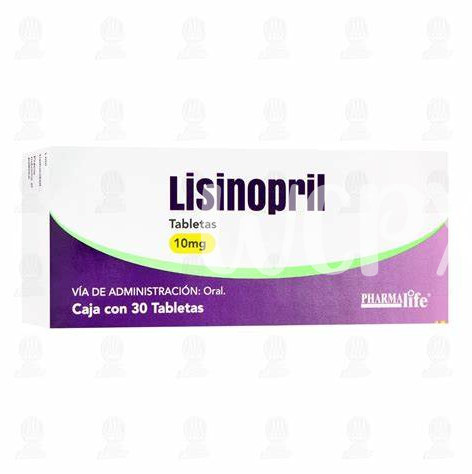
Starting with a cautious dose, the clinician watches response and symptoms. If blood pressure remains above goal after two to four weeks, consider increasing the lisinopril dose gradually while monitoring.
Raise by small increments, for example five to ten mg, ensuring no orthostatic hypotension or severe cough emerges. Adjustments should factor renal function, potassium levels, and concurrent antihypertensives and age.
Communicate goals with the patient, schedule follow-up every two to four weeks during adjustments, check creatinine and potassium, and avoid rapid uptitration to reduce dizziness, renal injury, or hyperkalemia risk.
Adjustments for Kidney Function and Elderly Patients
When treating older adults or those with reduced kidney function, think of therapy as adjusting a sail to changing winds. For lisinopril, initiate lower doses and consider longer intervals as eGFR declines; monitor serum creatinine and potassium within one to two weeks after start or dose change.
Older patients may be more sensitive to blood pressure reduction and orthostatic symptoms; begin low, titrate slowly, and reassess volume status. If creatinine rises markedly or potassium increases, reduce dose or extend interval. Communicate monitoring plans and involve caregivers to ensure individualized therapy.
Managing Common Side Effects and Adverse Reactions

When a patient starts lisinopril, common reactions often arrive like unwelcome guests: a dry cough, lightheadedness, or mild dizziness after the first doses. These usually reflect bradykinin buildup or initial blood pressure drops; reducing orthostasis risk by starting low and rising slowly often helps. Persistent cough, swelling of face or throat, or sudden difficulty breathing demand immediate cessation and emergency care because angioedema, although rare, can be life‑threatening.
Routine monitoring eases anxiety: check serum creatinine and potassium within one to two weeks of initiation and after dose increases, then periodically. Mild rises in creatinine or potassium often respond to dose adjustment, stopping potassium‑sparing drugs, or dietary measures; significant changes require nephrology input. For intolerable cough or recurrent angioedema history, consider switching to an ARB. Educate patients to report fainting, persistent cough, swelling, or unusual lab results promptly for timely management.
Monitoring Blood Pressure and Labs during Therapy
When starting lisinopril, clinicians should set realistic targets and document baseline blood pressure and labs to guide therapy. Engage patients with an explanation of how measurements influence titration and safety, and schedule follow-ups accordingly.
Home self-monitoring empowers patients: advise morning and evening readings, proper cuff size, and a log to bring to appointments. Clinic checks should include orthostatic measurements when symptoms suggest volume changes.
Laboratory monitoring must focus on serum creatinine and potassium—check baseline, recheck within one to two weeks after dose changes, then periodically. Adjust doses or pause therapy for significant rises in creatinine or hyperkalemia, coordinating with nephrology when uncertain.
| Test | When |
|---|---|
| Blood pressure | Each clinic visit |
| Creatinine, potassium | Baseline, one to two weeks, periodic, then yearly ongoing |
Special Situations: Pregnancy, Surgery, and Drug Interactions
Imagine planning pregnancy while on lisinopril: this drug is contraindicated in pregnancy because it can cause fetal renal malformation and oligohydramnios. Women of childbearing potential should stop lisinopril before conception and use effective contraception; discuss alternatives with a clinician.
Before surgery, coordinate with your surgical and anesthesia teams: lisinopril may cause intraoperative hypotension, so many providers advise holding the dose on the morning of elective procedures. For emergency operations, anticipate blood pressure lability and ensure vigilant hemodynamic monitoring and volume management.
Be mindful of drug interactions: NSAIDs can blunt effect and harm kidneys, potassium supplements or spironolactone raise hyperkalemia risk, and lithium levels can increase. Review medications regularly and monitor renal function and electrolytes periodically.