

 Prev
Prev
Click HERE To Buy Provigil Online ↓
 Provigil Vs Generic Modafinil: Key Differences
Brand Reputation and Trust: Provigil Versus Generics
When choosing a wakefulness medication, many people lean toward the original because it carries decades of clinical use and visible physician trust. That reputation isn’t only marketing: consistent packaging, established dosing guidelines and a long track record of post‑market surveillance create comfort for prescribers and patients facing potential side effects or interactions.
Generics often offer the same active molecule at much lower cost, yet trust can lag due to variable manufacturer reputations and less prominent branding. Regulatory approval requires bioequivalence studies, but supply chain transparency and local manufacturing practices influence public perception. Clinicians commonly weigh evidence, lab testing and patient experience, balancing cost savings against confidence in consistent product sourcing and support and regulatory oversight.
| Type | Key Perception |
|---|---|
| Original | Established trust |
| Generic | Cost-driven confidence |
Cost Comparison and Insurance Coverage Differences Explained
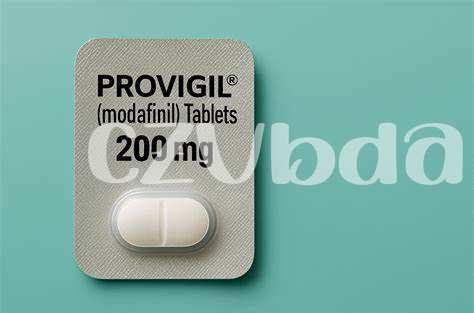
When Sarah compared prescriptions, the sticker shock of provigil made her pause. Branded medications often carry higher list prices because of research recovery and marketing, while generics undercut that cost by up to 80%. That gap can make a daily regimen affordable or unaffordable overnight.
Insurance plans frequently favor generics on formularies, lowering copays and requiring fewer prior authorizations. However, some insurers list brand names as preferred for certain diagnoses, forcing higher out-of-pocket costs or step therapy. Understanding your plan’s tier system and appeals process can reveal savings opportunities.
Talk with your clinician and pharmacist, compare pharmacy prices, explore manufacturer coupons or assistance programs, and weigh modest savings against personal response and convenience, long-term costs.
Manufacturing Standards and Quality Control Differences
Behind the pills, factories tell different stories: a legacy brand follows rigid protocols while smaller producers aim for efficiency. Patients often associate provigil with a history of strict oversight, which shapes trust during prescription decisions.
Regulatory frameworks vary by country; some generics undergo rigorous third-party audits and batch testing, others rely on local inspections. Understanding these distinctions helps clinicians weigh supplier credibility beyond labels and price tags when choosing therapy.
Quality control records, stability studies and manufacturing environment reports are telling documents. Pharmacists who inspect certificates of analysis can spot inconsistencies, ensuring the active ingredient matches labeled potency across lots and reduces unwelcome variability effectively.
Consumers benefit when providers disclose sourcing and batch verification. Transparent supply chains, routine potency checks and adherence to good manufacturing practices minimize risk; they ensure that whether choosing provigil or a generic, therapy remains consistent.
Efficacy and Potency: Do Generics Match Provigil?

Patients often ask whether a generic pill performs like the original; the short answer is that active ingredient parity usually ensures similar clinical effects. Clinical trials and bioequivalence studies compare blood levels of modafinil to confirm absorption and peak concentration.
Most approved generics match provigil’s efficacy because regulatory agencies require bioequivalence ranges, yet slight differences in excipients can alter onset or tolerability for some individuals. Physicians sometimes recommend trying a generic and monitoring response before switching back.
Real-world reports mix praise and isolated complaints, so individual variability matters; pharmacists can advise on manufacturers with consistent performance. Ultimately, evidence supports that properly approved generics provide comparable potency for most patients. Cost savings often follow successful substitution.
Safety Profiles, Side Effects, and Ingredient Consistency
Patients often describe comparing brand names as a story of trust and uncertainty; when considering provigil, small differences can feel significant. Clinicians emphasize monitoring for reactions, especially cardiovascular or psychiatric symptoms, and advise starting at lower doses. Pharmacists point out that excipient variations may change tolerability for sensitive people, so reporting unexpected effects helps tailor therapy. Clear communication reduces anxiety and improves safety.
Evidence shows generics contain the same active modafinil molecule, but rare batches can differ in impurity profiles or dissolution rates, altering onset. Most studies report similar effectiveness, yet postmarket surveillance captures uncommon adverse events, so vigilance matters. Patients with complex medical histories should consult providers before switching, keep symptom logs, and verify pharmacy sourcing. Transparent labeling and regulatory reporting systems remain essential tools to maintain confidence and protect individual outcomes. Always report unexpected reactions to your clinician.
Legal Status, Patents, and Global Availability Differences
When the original patent expires, a cascade of generic manufacturers often follows, lowering prices and increasing patient access and adoption. Still, regulatory approval timelines vary, so availability is staggered across countries.
Proprietary brands may retain exclusivity through formulations or trademark protections, keeping market share in some regions. Conversely, generics face differing bioequivalence standards that affect legal recognition, while manufacturing location influences quality.
Prescription rules and controlled-substance scheduling also differ: some countries regulate modafinil tightly, limiting imports and online sales, while others allow broader pharmacy distribution, shaping real-world access.
For patients and clinicians navigating these differences, vigilance is essential: check national regulations, verify pharmacy credentials, and prefer licensed sources to avoid counterfeit products and legal complications.