

 Prev
Prev
Click HERE To Buy Trazodone Online ↓
 Trazodone Withdrawal: Recognizing and Managing Symptoms
Recognizing Common Physical and Emotional Warning Signs
When I quit trazodone, the first week felt like a weather report of the body: restless legs and sleep that flickered in and out, sudden lightheadedness when standing, and occasional stomach upset. These physical cues, such as shakiness, sweating and flu-like aches, are common early signals; noticing patterns helps separate withdrawal from other illnesses and tells you when to slow the process.
Emotionally, mornings could bring unexpected anxiety or a low, drifting mood, while small things provoked irritation or tearfulness. Cognitive fog and vivid dreams are common, too. Keep a simple symptom log, share it with your clinician, and remember these responses are often temporary; early recognition helps you manage symptoms and ask for support.
| Type | Common Signs |
|---|---|
| Physical | Insomnia, dizziness, nausea, sweating |
| Emotional | Anxiety, irritability, low mood, vivid dreams |
Timeline of Symptoms: What to Expect When Stopping

Stopping trazodone can feel like stepping off a slowly moving platform: the first days often bring dizziness, nausea, vivid dreams and sleep disruption, sometimes alongside a rush of anxiety or irritability. These early signs usually peak within a week as the brain adjusts to lower serotonin modulation, and they can surprise people who expected an immediate calm.
Over the next two to four weeks, physical symptoms often lessen but mood swings, fatigue and concentration problems may persist, occasionally flaring with stress. For some, residual symptoms resolve within a month; others experience intermittent disturbances for several months. Understanding this ebb-and-flow helps plan tapering, rest, and when to consult a clinician about supportive treatments, and self-care strategies.
Risk Factors That Make Symptoms More Severe
After weeks on trazodone, people I’ve cared for described stopping as a storm of sensations; not everyone experiences the same intensity. Age, dose, and how abruptly the medication is reduced influence outcomes, and longer use increases likelihood of pronounced reactions. Coexisting anxiety, other antidepressants, or substances like alcohol can amplify withdrawal, while sleep disruption and medical comorbidities make recovery slower and more complex.
Genetics and individual brain chemistry also play hidden roles, affecting sensitivity to neurotransmitter changes when trazodone is withdrawn. Rapid tapering, lack of social support, and poor nutrition can worsen mood swings and physical discomfort. Practical planning — gradual dose reductions guided by a clinician, monitoring symptoms, and addressing sleep and stress — reduces risk. Early recognition of worsening signs allows prompt adjustments so withdrawal becomes manageable rather than overwhelming. Documenting symptoms daily helps guide safer medication decision-making.
Safe Tapering Strategies to Minimize Rebound Effects
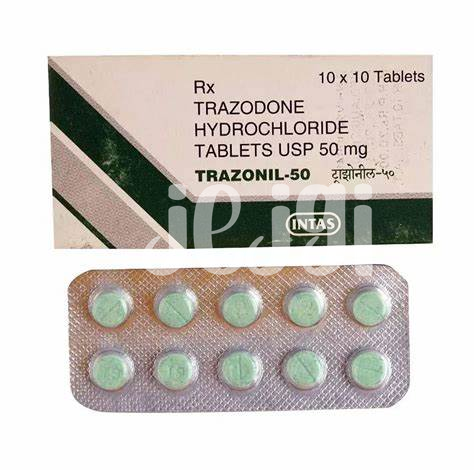
Imagine easing away from trazodone with a clear plan: small dose reductions over weeks, regular check-ins with your prescriber, and tracking sleep and mood. This gradual approach lowers the chance of sudden rebound anxiety or insomnia and gives you space to notice early warning signs before they intensify.
Adjustments may include holding a dose for several weeks or switching formulations; adding brief supportive meds or therapy eases transitions. Keep a symptom diary, communicate changes promptly, and avoid abrupt stops — gradual steps protect sleep, mood, and daily functioning during withdrawal.
Practical Self Care Techniques to Ease Daily Discomfort
I walked through slow mornings, learning to replace sharp anxiety with gentle routines; simple breathwork and consistent sleep schedules eased jolts that followed stopping trazodone, grounding me before the day began.
Hydration, balanced meals, short walks and stretching restored energy and mood gradually; tracking symptoms in a notebook helped distinguish normal rebound from warning signs, empowering smarter choices and calmer evenings.
Mindful distractions, warm baths, and steady social support reduced isolation; consult your prescriber if symptoms intensify or sleep collapses, since individualized tapering or meds may be needed for recovery.
When to Seek Professional Help and Medication Options
If withdrawal symptoms become overwhelming or interfere with daily safety — severe anxiety, racing thoughts, suicidal ideation, persistent insomnia, or seizures — contact your prescriber or emergency services immediately. A clinician can assess severity, rule out other causes, and recommend urgent care or hospitalization when necessary.
In many cases, restarting a low dose of the antidepressant and using a slower taper often reduces rebound. Alternatives include prescribing short-term agents to target symptoms: for example, sleep aids for insomnia, antihistamines for agitation, or short courses of benzodiazepines for acute anxiety.
Medication is most effective when combined with psychotherapy and a clear plan for tapering. Always discuss risks, dependence potential, and monitoring with your provider before starting adjunct treatments.