

 Prev
Prev
Click HERE To Buy Zoloft Online ↓
 Tapering Off Zoloft Safely — Withdrawal Signs and Planning
Evaluate Readiness and Reasons for Stopping Zoloft
I stood in the clinic doorway, wondering if relief had become routine. Ask whether symptoms are stable and life goals align.
Consider how long you've been on the medicine, past taper experiences, and current stressors that might complicate stopping.
Talk with family and your prescriber about reasons: side effects, recovered function, or desire for fewer medications.
Weigh risks and supports, plan monitoring, and prioritize a cautious, shared decision rather than abrupt change.
| Check | Question |
|---|---|
| Stability | Are symptoms stable? |
| Support | Who can help during taper? |
| History | Previous withdrawal experiences? |
| Plan | Check |
Consult Prescriber to Design a Personalized Taper Plan
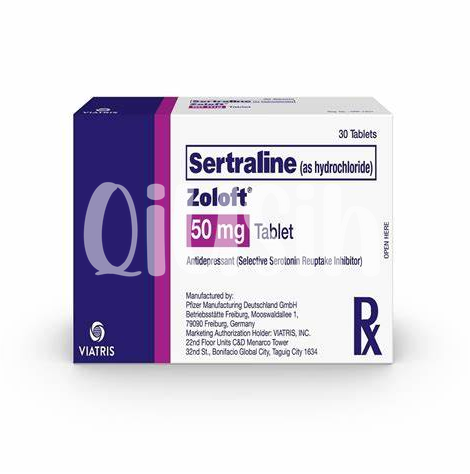
I remember sitting across from my doctor, fingers tracing the seam of the chair, describing the small victories and lingering unease. Together we reviewed why I wanted to stop zoloft, my current symptoms, and any side effects. That conversation framed realistic expectations and reduced my anxiety about change.
She explained how personalized plans consider dose, duration, metabolism, and psychiatric history. Slow reductions—often 10%–25% every few weeks—can be adjusted for response. For some people, a microtaper using compounded pills or liquid helps avoid abrupt shifts; others need steadier plateaus.
We agreed on scheduled check-ins, emergency steps, and measures to track mood or withdrawal signs. Clear communication, written instructions, and contingency plans make the process collaborative and safer. Family involvement, scheduling flexibility, and access to crisis resources further supports a steady transition and rapid response if symptoms return during and after taper.
Choose a Gradual Dose Reduction Schedule and Strategy
Starting to step down felt like climbing a gentle staircase: small decrements, pauses to steady, and daily notes. Discuss tablet options and liquid preparations with your clinician to tailor changes.
Space each adjustment over weeks or months; halving doses too quickly can trigger symptoms. Use predictable intervals, flexible back-stepping if needed, and document effects so decisions are evidence-informed and safe.
Coordinate with prescriber about small pills, compounded strengths, or pharmacy support. Monitor sleep, mood, and balance; plan follow-up visits and emergency contacts so zoloft withdrawal is managed thoughtfully and responsively.
Identify Withdrawal Symptoms Versus Psychiatric Relapse Signals

When I tapered off zoloft, the weeks felt like a fog that shifted daily. Withdrawal often causes physical sensations, dizziness, electric 'brain zaps', nausea, and mood swings. These symptoms typically fluctuate and peak within days to weeks.
Relapse of underlying depression or anxiety tends to bring persistent, worsening symptoms: deepening low mood, loss of interest, or overwhelming anxiety that doesn't lift between days. Duration and context matter, if symptoms steadily worsen despite rest, consider relapse rather than transient withdrawal.
Track timing, intensity, and triggers, and share notes with prescriber. Objective monitoring helps distinguish temporary discontinuation effects from true psychiatric return, guiding whether to pause taper or adjust treatment. Don't hesitate to seek urgent professional help.
Manage Symptoms with Therapy, Lifestyle, and Medication Adjustments
I eased into choices by tracking small wins: better sleep and steadier mood while tapering zoloft. Simple journals captured patterns and setbacks.
Therapy offered narrative framing; cognitive techniques reduced worry and exposure skills addressed lingering fears. Weekly sessions reinforced coping and insight.
Daily routines—sleep hygiene, gentle exercise, hydration, balanced meals—lowered baseline stress and improved resilience. Mindfulness pauses curbed sudden dizziness episodes.
Prescriber discussions allowed targeted medication tweaks and PRN options, while a relapse plan clarified when to restart treatment. Trusted friends and clinicians tracked warning signs.
| Tool | Use |
|---|---|
| CBT | Skills |
Plan Support, Monitoring, and Coping for Post-taper
After the final dose I found it helpful to set a clear support network: a prescribing clinician, a therapist, and two trusted friends or family members who can check in regularly and notice subtle changes.
Track symptoms with a simple daily diary and brief mood scales, sharing entries during scheduled follow-ups. Agree on emergency signals, establish fast prescriber contact, and set frequency for routine check-ins over the first post-taper months.
Use coping tools: ongoing therapy, peer support groups, exercise, sleep hygiene, and grounding techniques for acute sensations. Learn pacing to avoid burnout and keep a small toolkit of calming strategies ready for unexpected difficult days.
Accept that setbacks can happen; treat them as data for adjusting plans with your clinician. Know when relapse criteria are met, review medication options early, and keep crisis contacts and self-compassion practices always at hand.